Anxiety, the Nervous System, and Grounding
Anxiety isn't just a mental experience — it's a full-body physiological state. When you feel anxious, your sympathetic nervous system activates: heart rate increases, breathing becomes shallow, muscles tense, cortisol and adrenaline surge. Your body enters "fight or flight" mode, even when there's no physical threat.
For people with chronic anxiety, this stress response can become the default state. The nervous system gets stuck in overdrive, making it difficult to relax, concentrate, or sleep. Traditional approaches include cognitive behavioral therapy, medication, exercise, and mindfulness. A growing body of evidence suggests that grounding — direct physical contact with the Earth — may also help by influencing the autonomic nervous system.
What Research Says About Grounding and the Nervous System
Heart Rate Variability (HRV) Studies
Heart rate variability measures the variation in time between heartbeats. Higher HRV indicates a healthy, flexible nervous system that can easily shift between states. Lower HRV is associated with chronic stress, anxiety, and reduced ability to recover from stressful events.
A study published in Integrative Medicine: A Clinician's Journal found that grounding for approximately 40 minutes significantly increased parasympathetic activity as measured by HRV analysis. Participants showed a clear shift from sympathetic dominance (stress mode) toward parasympathetic dominance (calm mode).
This is the physiological opposite of what happens during an anxiety response. By promoting parasympathetic activity, grounding may help counteract the chronic nervous system activation that drives anxiety symptoms.
Cortisol and Stress Hormone Studies
The 2004 cortisol study — primarily focused on sleep — also has implications for anxiety. Participants who slept grounded showed normalized cortisol patterns with lower nighttime levels. Since elevated cortisol is a hallmark of chronic stress and anxiety, this normalization may directly reduce the hormonal fuel for anxious feelings.
Many anxiety sufferers experience the worst symptoms at night — racing thoughts, inability to relax, difficulty falling asleep. The cortisol-lowering effects of grounding during sleep may be particularly relevant for this nighttime anxiety pattern. If this sounds familiar, see our article on why you wake up at 3AM.
Blood Viscosity and Physical Tension
Research showing that grounding improves blood viscosity and flow may also relate to anxiety. Poor circulation contributes to the physical symptoms of anxiety — cold hands, muscle tension, the sense of tightness in the chest. Improved circulation may alleviate some of these physical components.
How Grounding May Help With Anxiety in Practice
Based on the research, grounding may support anxiety relief through:
- Shifting the nervous system toward calm — promoting parasympathetic dominance over the sympathetic stress response
- Reducing cortisol levels — lowering the hormonal driver of anxiety, especially at night
- Improving sleep quality — poor sleep and anxiety form a vicious cycle; better sleep reduces next-day anxiety
- Providing a physical anchor — the act of focusing on physical contact with the Earth can serve as a mindfulness practice
- Reducing inflammation — emerging research links chronic inflammation to depression and anxiety disorders
Practical Ways to Ground for Anxiety
For Immediate Calm
When anxiety strikes, barefoot contact with natural ground — grass, soil, sand, or natural stone — may help. Even 15-20 minutes of barefoot walking outdoors has been reported to produce a calming effect. Pair this with slow, deliberate breathing for maximum benefit.
If going barefoot outdoors isn't practical, a grounding mat at your desk lets you ground through your bare feet while working. A grounding wrist band provides contact even when you're wearing shoes.
For Long-Term Anxiety Management
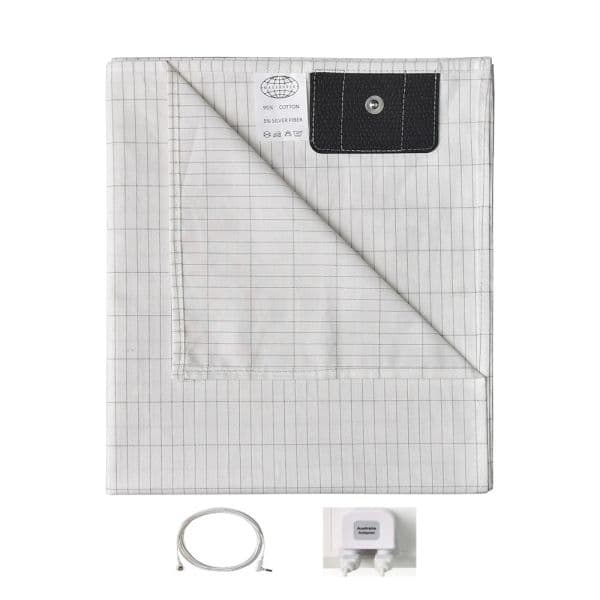
The most impactful approach for chronic anxiety is consistent, extended grounding — particularly during sleep. Sleeping on a grounding sheet every night gives you 7-8 hours of continuous grounding, targeting cortisol rhythms and nervous system regulation at the time when your body does its most important restoration work.
Combine nighttime grounding with daytime sessions for maximum coverage. A desk mat during work hours plus a grounding sheet at night means you're grounded for a significant portion of each day.
Complementary Practices
Grounding works well alongside other evidence-based anxiety management strategies:
- Regular exercise — burns off stress hormones and promotes endorphin release
- Mindfulness meditation — trains the mind to disengage from anxious thought patterns
- Adequate sleep — grounding can help here, creating a positive cycle
- Limited caffeine and alcohol — both can trigger or worsen anxiety
- Professional support — therapy and/or medication when needed
What Users Report
Common feedback from users who ground specifically for anxiety includes:
- Feeling calmer and less "wired" within the first 1-2 weeks of nightly grounding
- Reduced nighttime rumination and easier time falling asleep
- A general sense of being more emotionally resilient during stressful situations
- Decreased physical symptoms of anxiety — less muscle tension, fewer headaches, less jaw clenching
These are subjective, self-reported experiences. Individual results vary. But the consistency of these reports, combined with the HRV and cortisol research, suggests grounding may be a meaningful tool in the anxiety management toolbox.
Important Disclaimer
Grounding is not a treatment or cure for anxiety disorders. If you're experiencing significant anxiety, please seek guidance from a qualified mental health professional. Grounding may complement professional treatment — it does not replace it. Its value lies in being a simple, risk-free practice that may support your overall nervous system health.