What Is Grounding (Earthing)?
Grounding — also called earthing — is the simple practice of placing your body in direct contact with the Earth's surface. Whether you walk barefoot on grass, swim in the ocean, or sleep on a conductive grounding sheet, the principle is the same: your skin touches a conductive surface connected to the ground, and free electrons from the Earth flow into your body.
This might sound too simple to matter, but a growing body of peer-reviewed research suggests that this electron transfer may influence several physiological processes — from sleep quality to inflammatory markers. In this guide we will walk you through everything a beginner needs to know: what grounding is, how it works, where the science stands, and how to get started today.
A Brief History of Grounding
Humans walked barefoot and slept on the ground for nearly all of our evolutionary history. It was not until the invention of rubber-soled shoes in the 1960s that most people became electrically insulated from the Earth for the majority of the day.
The modern grounding movement began in the late 1990s when Clint Ober, a retired cable-television executive, noticed a parallel between electrical grounding in the cable industry and the human body's potential connection to the Earth. Ober hypothesized that chronic disconnection from the Earth's surface charge could contribute to the rise of inflammatory and sleep-related health issues. He funded early pilot studies and co-authored the book Earthing: The Most Important Health Discovery Ever!, which brought the concept to a mainstream audience.
Since then, researchers in biophysics, cardiology, and exercise science have published dozens of studies exploring the physiological effects of grounding. While the field is still young and more large-scale clinical trials are needed, the existing evidence is encouraging.
How Does Grounding Work? The Science of Electron Transfer
The Earth's Surface Charge
The Earth maintains a virtually unlimited reservoir of free electrons on its surface. This negative surface charge is continuously replenished by lightning strikes (roughly 5,000 per minute worldwide), solar radiation, and atmospheric processes. When your bare skin contacts the ground, your body equilibrates with this charge — essentially absorbing free electrons until your electrical potential matches the Earth's.
Free Radicals and the Electron Connection
Inside your body, metabolic processes and immune responses generate molecules called free radicals. A free radical is simply a molecule missing one or more electrons, which makes it highly reactive. In normal amounts free radicals serve important immune functions — they help destroy pathogens, for example. But when free radicals accumulate beyond what the body can neutralize, they begin damaging healthy tissue. This state is called oxidative stress, and it is implicated in chronic inflammation, accelerated aging, and numerous health conditions.
Grounding researchers propose that the influx of free electrons from the Earth may act as a natural antioxidant supply, neutralizing excess free radicals on contact. Dr. James Oschman, a biophysicist, explored this hypothesis in detail in his 2015 review, noting that the Earth's electrons may help stabilize the body's internal bioelectrical environment and reduce chronic inflammation (Oschman et al., 2015, Journal of Inflammation Research).
Effects on Blood and Circulation
One of the more compelling findings in grounding research involves blood viscosity. A 2012 study by Dr. Gaétan Chevalier and colleagues found that grounding significantly increased the surface charge (zeta potential) of red blood cells, which reduced blood viscosity and clumping. Thinner, less aggregated blood flows more easily through capillaries, potentially improving oxygen and nutrient delivery to tissues throughout the body (Chevalier et al., 2012, Journal of Alternative and Complementary Medicine).
Types of Grounding: How to Connect with the Earth
1. Barefoot Walking and Outdoor Grounding
The simplest form of grounding is walking barefoot on a conductive surface — grass, soil, sand, or concrete (not asphalt or wood, which are poor conductors). Swimming in natural bodies of water also provides excellent grounding contact. This is free, accessible, and a great way to start.
Pros: No equipment needed. Combines grounding with sunlight and fresh air.
Cons: Weather-dependent. Limited to short sessions for most people. Not practical while sleeping.
2. Grounding Sheets and Bedding
Grounding sheets — like our Queen Grounding Sheet — are woven with conductive silver or carbon fibers and connect to the ground port of a standard electrical outlet via a cord. You sleep on the sheet as you would any fitted sheet, and your skin makes contact with the conductive surface throughout the night.
This is the most popular indoor grounding method because it lets you accumulate 6 to 9 hours of grounding contact effortlessly. Our Sleep Starter Kit includes everything you need to get set up on day one.
Pros: Long, consistent contact while you sleep. No lifestyle changes required.
Cons: Requires a properly grounded outlet (you can verify with a grounding tester).
3. Grounding Mats
Desk mats and floor mats provide grounding contact while you work, read, or watch television. You place your bare feet or hands on the mat, which connects to your home's ground via a cord and outlet.
Pros: Easy to use during daytime activities. Portable.
Cons: Contact area is smaller than a full sheet, and sessions depend on how long you sit in one place.
4. Grounding Patches and Bands
Adhesive electrode patches and wrist or ankle bands connect directly to the ground wire and provide targeted grounding contact to specific areas of the body. These are commonly used in research settings and by people who want to ground a particular joint or muscle area.
Potential Benefits of Grounding
These statements have not been evaluated by the FDA. Grounding products are not intended to diagnose, treat, cure, or prevent any disease.
While research is ongoing, the following benefits have been explored in peer-reviewed studies:
- Improved sleep quality: Studies suggest that grounding may help normalize nighttime cortisol secretion, which is closely linked to sleep-wake cycles. Learn more in our detailed guide: Grounding for Sleep.
- Reduced inflammation and pain: Research indicates that grounding may lower inflammatory markers and reduce perceived pain in conditions involving chronic inflammation. See our full breakdown: Grounding for Pain & Inflammation.
- Improved circulation: As noted above, grounding has been shown to increase the zeta potential of red blood cells, reducing viscosity and potentially improving blood flow.
- Reduced stress and improved mood: Preliminary research suggests that grounding may shift the autonomic nervous system toward parasympathetic (rest-and-digest) dominance, which is associated with lower stress and improved emotional wellbeing.
- Faster recovery from exercise: Some studies on grounding and delayed-onset muscle soreness (DOMS) suggest that grounding after intense exercise may reduce recovery time and markers of muscle damage.
Who Is Grounding For?
Grounding is a simple, low-risk practice that may benefit a wide range of people. You might be especially interested if you:
- Struggle with sleep quality or have trouble falling or staying asleep
- Experience chronic pain, stiffness, or inflammation-related discomfort
- Spend most of your day indoors wearing shoes on insulated flooring
- Are looking for a natural, non-pharmacological complement to your wellness routine
- Want to optimize post-exercise recovery
- Are curious about biohacking and emerging wellness research
That said, if you are pregnant, on blood-thinning medication, or have an implanted electrical medical device, it is wise to consult with your healthcare provider before beginning a grounding practice.
How to Start Grounding Today
Step 1: Try Barefoot Grounding Outdoors
Find a patch of grass, soil, or sand and stand or walk barefoot for 20 to 30 minutes. Pay attention to how your feet feel and whether you notice any shifts in mood, tension, or energy over the session. Many people report a subtle sense of calm within the first 15 minutes.
Step 2: Test Your Home's Electrical Ground
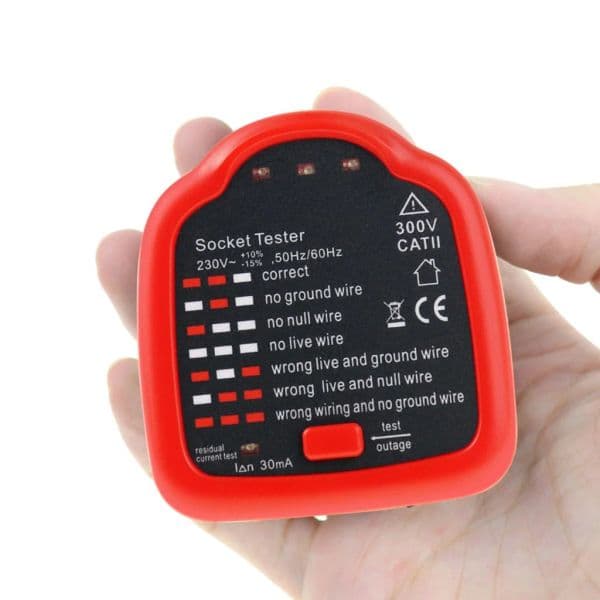
Before using any indoor grounding product, confirm that your outlets are properly grounded. Our Grounding Outlet Tester plugs into any standard US outlet and gives you an immediate pass/fail reading. Most homes built after 1970 have grounded outlets, but it is always worth checking.
Step 3: Set Up Grounding While You Sleep
Sleeping grounded is the highest-impact change you can make because of the sheer number of hours involved. Our Sleep Starter Kit includes a conductive fitted sheet, a grounding cord, and an outlet tester — everything you need for your first night. Simply place the sheet on your bed, plug the cord into the ground port of a verified outlet, and sleep as usual. Your bare skin touching the sheet closes the circuit.
Step 4: Be Consistent and Patient
Like most wellness practices, grounding tends to show cumulative effects. Some people notice changes in sleep quality within the first few nights, while others observe gradual shifts over two to four weeks. Keep a simple journal noting your sleep quality, energy levels, and any pain or stiffness to track your progress over time.
Common Misconceptions About Grounding
"Grounding is just pseudoscience."
While grounding is still an emerging field that needs more large-scale clinical trials, it is not without scientific support. There are over 20 peer-reviewed studies published in journals such as the Journal of Inflammation Research, the Journal of Alternative and Complementary Medicine, and the European Biology and Bioelectromagnetics journal. The physiological mechanisms — electron transfer, changes in blood viscosity, and cortisol normalization — are measurable and reproducible. The appropriate stance is cautious optimism, not dismissal.
"I can ground through my shoes."
Most modern shoes have rubber or synthetic soles that are electrically insulating. Leather-soled shoes do allow some conductivity, but the most effective grounding occurs through direct skin contact with a conductive surface.
"Grounding through an outlet is dangerous."
Grounding products connect only to the ground port of an outlet — not to the live or neutral wires. The ground port is a safety feature built into every properly wired outlet. No electrical current flows through a grounding sheet; only the Earth's natural electron field is conducted. Using an outlet tester before setup adds an extra layer of safety.
The Bottom Line
Grounding is a straightforward practice rooted in basic physics: your body absorbs free electrons from the Earth when you make direct conductive contact. A growing body of research suggests this may help with sleep quality, inflammation, circulation, and stress — though the science is still developing and more trials are needed.
The easiest way to experience grounding for yourself is to walk barefoot outdoors or sleep on a conductive grounding sheet. It requires no special skills, no medication, and very little time. If you are ready to get started, our Sleep Starter Kit has everything you need.
These statements have not been evaluated by the FDA. Grounding products are not intended to diagnose, treat, cure, or prevent any disease. If you have a medical condition, consult your healthcare provider before beginning any new wellness practice.