Grounding Sheets and Grounding Mats: Two Different Tools for the Same Goal
Both grounding sheets and grounding mats serve the same fundamental purpose — they connect your body to the Earth's natural electrical charge while you're indoors. But they do it in different ways, in different settings, and with different advantages. Choosing the right one depends on how and when you want to ground.
In this guide, we'll break down the key differences so you can make an informed decision.
What Is a Grounding Sheet?
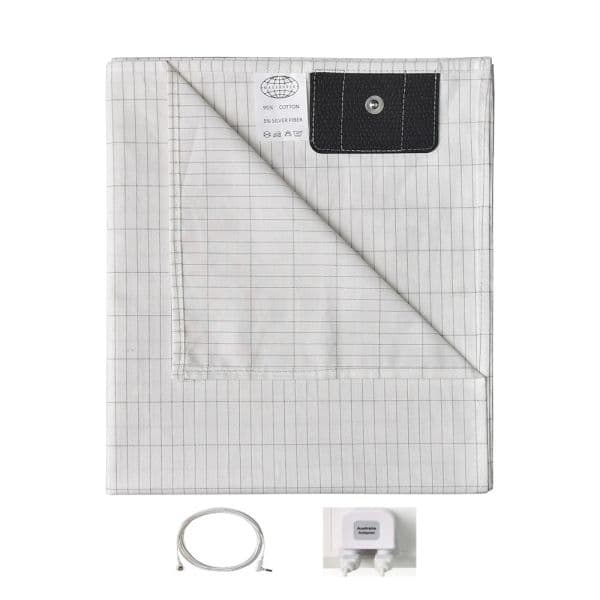
A grounding sheet is a bed-sized sheet made from cotton interwoven with conductive silver or carbon fibers. It looks and feels similar to a regular bed sheet, but it connects to the grounding port of your electrical outlet via a cord. When your bare skin touches the sheet during sleep, electrons flow from the Earth through the grounding wire into your body.
Best for:
- Nighttime grounding during sleep (7-8 hours of passive grounding)
- People whose main goal is improving sleep quality
- Full-body contact — arms, legs, torso all touch the sheet naturally
- Anyone who wants grounding without changing their daily routine
What Is a Grounding Mat?
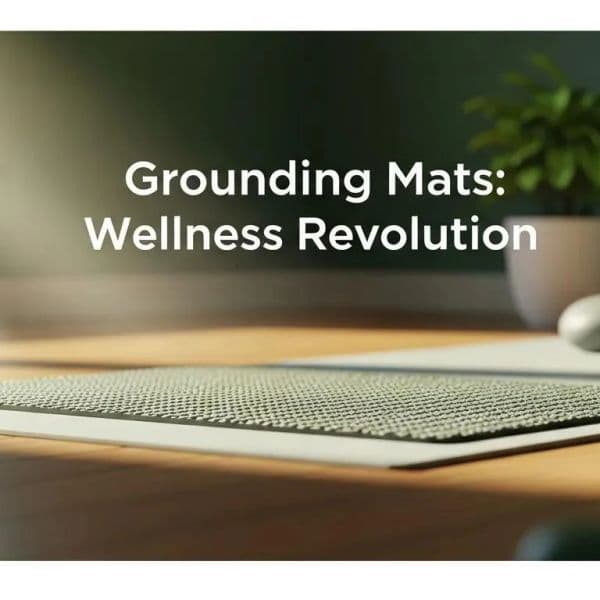
A grounding mat is a smaller, typically rubber or PU leather mat that you place on your desk or under your feet. Like a grounding sheet, it connects to a grounded outlet and transfers Earth electrons to your body through skin contact.
Best for:
- Daytime grounding while working at a desk
- Targeted contact — feet on a floor mat or wrists/forearms on a desk mat
- Portable grounding when traveling or at the office
- People who want to supplement nighttime grounding with daytime sessions
Side-by-Side Comparison
Surface Area and Contact
Grounding sheets provide significantly more skin contact. A queen-sized grounding sheet covers your entire sleeping surface, so no matter how you toss and turn, you'll maintain contact. A grounding mat typically covers a much smaller area — enough for your feet or forearms.
More skin contact generally means a stronger grounding connection, which is why many researchers and practitioners recommend grounding sheets as the primary tool.
Duration of Use
This is where grounding sheets have a major advantage. You sleep on one for 7-8 hours every night without any conscious effort. A grounding mat requires you to actively use it — placing your feet on it while working, for instance. Most people realistically use a mat for 2-4 hours per day.
Since longer grounding sessions are associated with more pronounced effects, the passive, all-night nature of a grounding sheet makes it particularly effective.
Convenience
Both products are easy to set up — plug the cord into a grounded outlet and make skin contact. However, a grounding sheet integrates seamlessly into something you already do (sleep), while a mat requires you to remember to use it and position yourself correctly.
Maintenance
Grounding sheets need regular washing, just like any bedding. They do require some special care — typically washing with mild detergent and avoiding bleach or fabric softener, which can damage the conductive fibers. See our grounding sheet care guide for details.
Grounding mats are lower maintenance. A simple wipe-down with a damp cloth keeps them clean. They don't need laundering.
Price
Grounding mats are generally less expensive than grounding sheets, making them an accessible entry point. However, when you factor in the hours of grounding per dollar spent, sheets often deliver better value because of the extended nightly use.
Portability
Grounding mats are more portable. They're smaller, lighter, and easy to roll up and take to an office or hotel. Grounding sheets can travel too, but they're bulkier.
When to Choose a Grounding Sheet
A grounding sheet is the better choice if:
- Your primary goal is better sleep — studies on grounding and sleep used grounding sheets
- You want maximum grounding time with zero effort
- You prefer full-body grounding coverage
- You're dealing with nighttime pain, restlessness, or frequent awakenings
When to Choose a Grounding Mat
A grounding mat is the better choice if:
- You want daytime grounding while working at your computer
- You're looking for a lower-cost entry point to try grounding
- You need something portable for travel or office use
- You already have a grounding sheet and want to add daytime sessions
The Best of Both Worlds
Many of our customers use both. A grounding sheet handles the nighttime hours, while a desk grounding mat extends grounding into the workday. If you want everything in one package, the complete grounding kit includes both products along with a tester and replacement cords.
Whether you start with a sheet, a mat, or both, the most important thing is consistency. Regular, sustained contact is what allows grounding to potentially deliver its benefits over time.